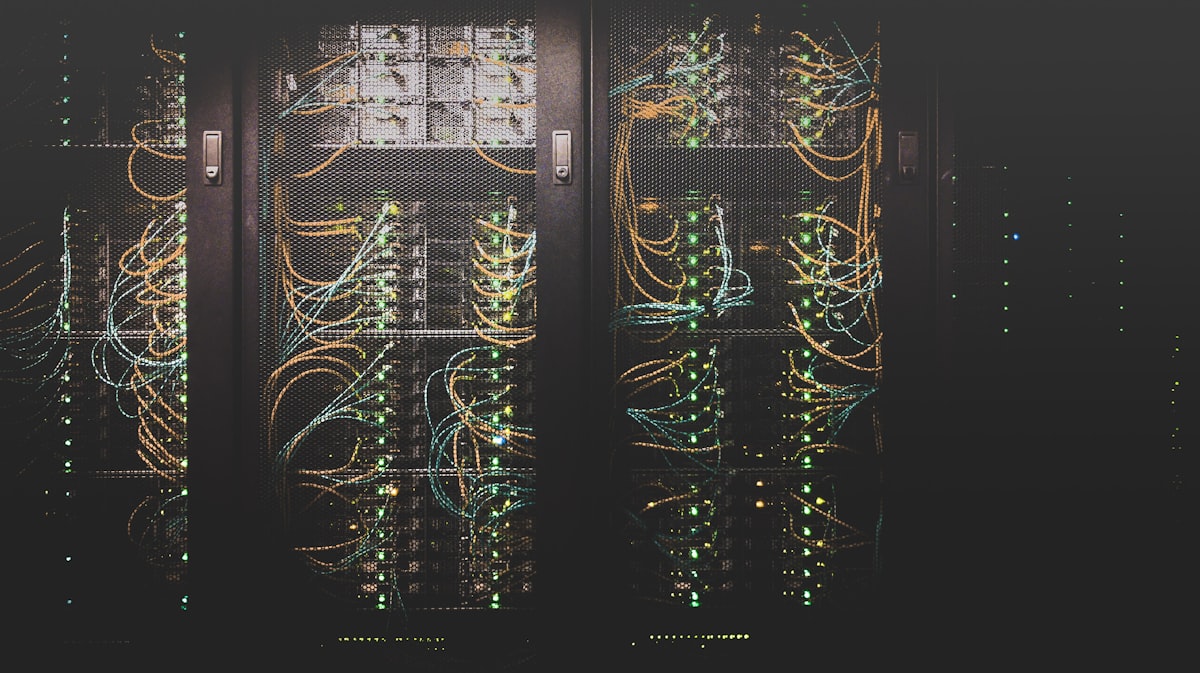
Both free lists and paid datacenter providers ultimately source IPs from similar underlying infrastructure, but the service wrapped around them is very different.
What a paid provider adds
Guaranteed uptime backed by a service agreement, authenticated access so the IPs aren't shared with random strangers pulling the same public list, and often built-in rotation so you don't need to manage a proxy pool yourself.
What a free list gives up
No guarantees at all — proxies on a free list are typically scraped from open, publicly accessible servers that anyone can find and use, which is exactly why they're unreliable and often already known to anti-bot systems.
Choosing between them
For learning, testing, or genuinely occasional use, a free list is a reasonable starting point. Once uptime and speed actually affect something you depend on, the cost of a paid provider tends to be worth it compared to the time lost troubleshooting dead free proxies.